TIERRAS Y SENTIDOS
This is a stream of consciousness, not a finished work, barely a work in beginning: retazos of texts, sounds, images that have been circling around me as I ask myself
how do we draw and erase the contours that shape us?
Within that inquiry, I have begun a series of essays (mainly for class) and also correspondences with friends, thinking-with our becoming, our sensing-with territories (of origin and destination). Us: Andean beings living in the North. Thinking and sharing our relations with humans and more-than-humans. This correspondences are still in the making. They will take more shape during in the summer of 2026 and hopefully continue.
In the meantime, let me share some of my thoughts on place, on being-with, as I write from my small desk, in front of my small window, con el árbol con el que pienso y escribo, el más guapo de todo Montreal, Canada, my new home.
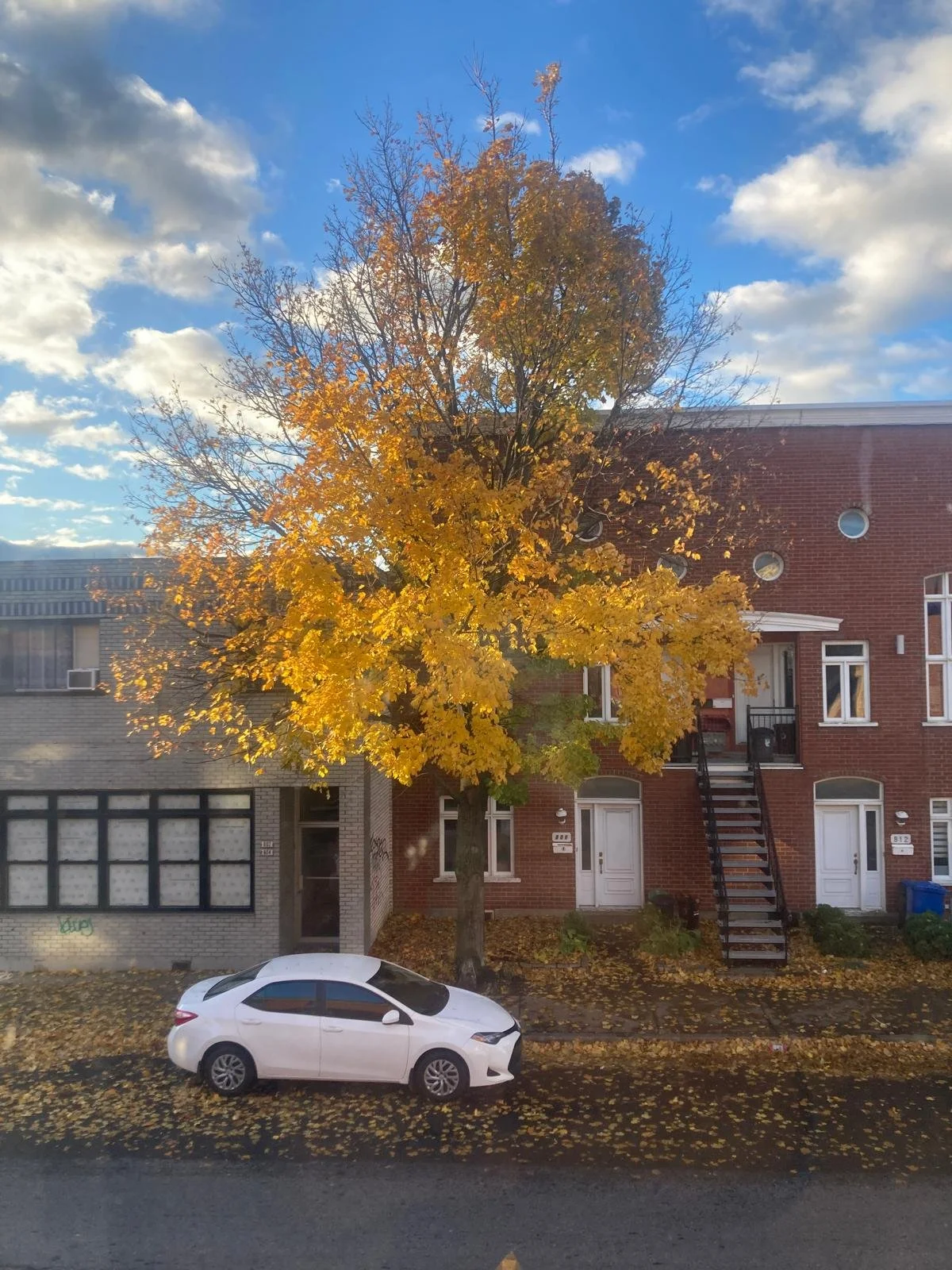
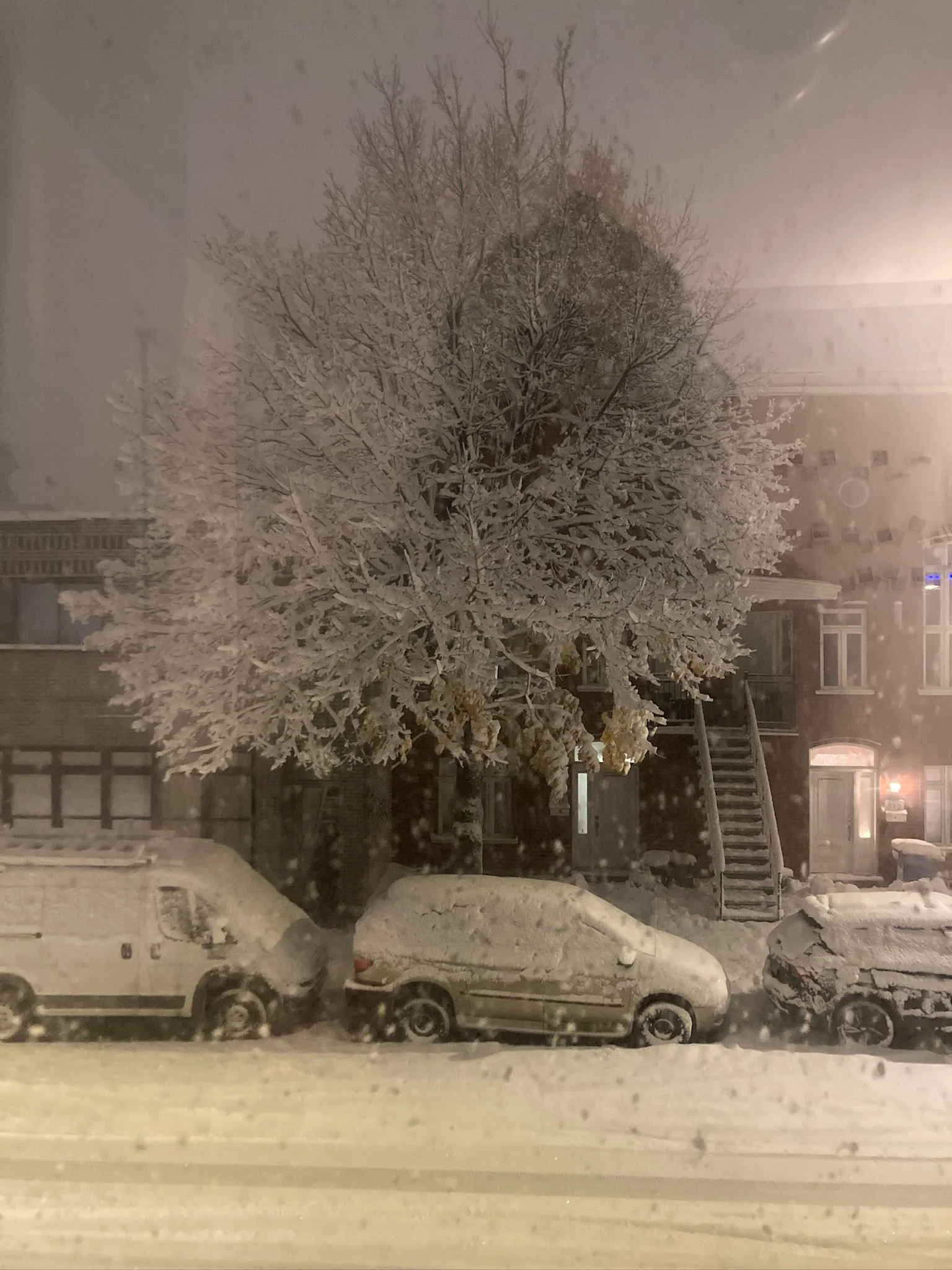
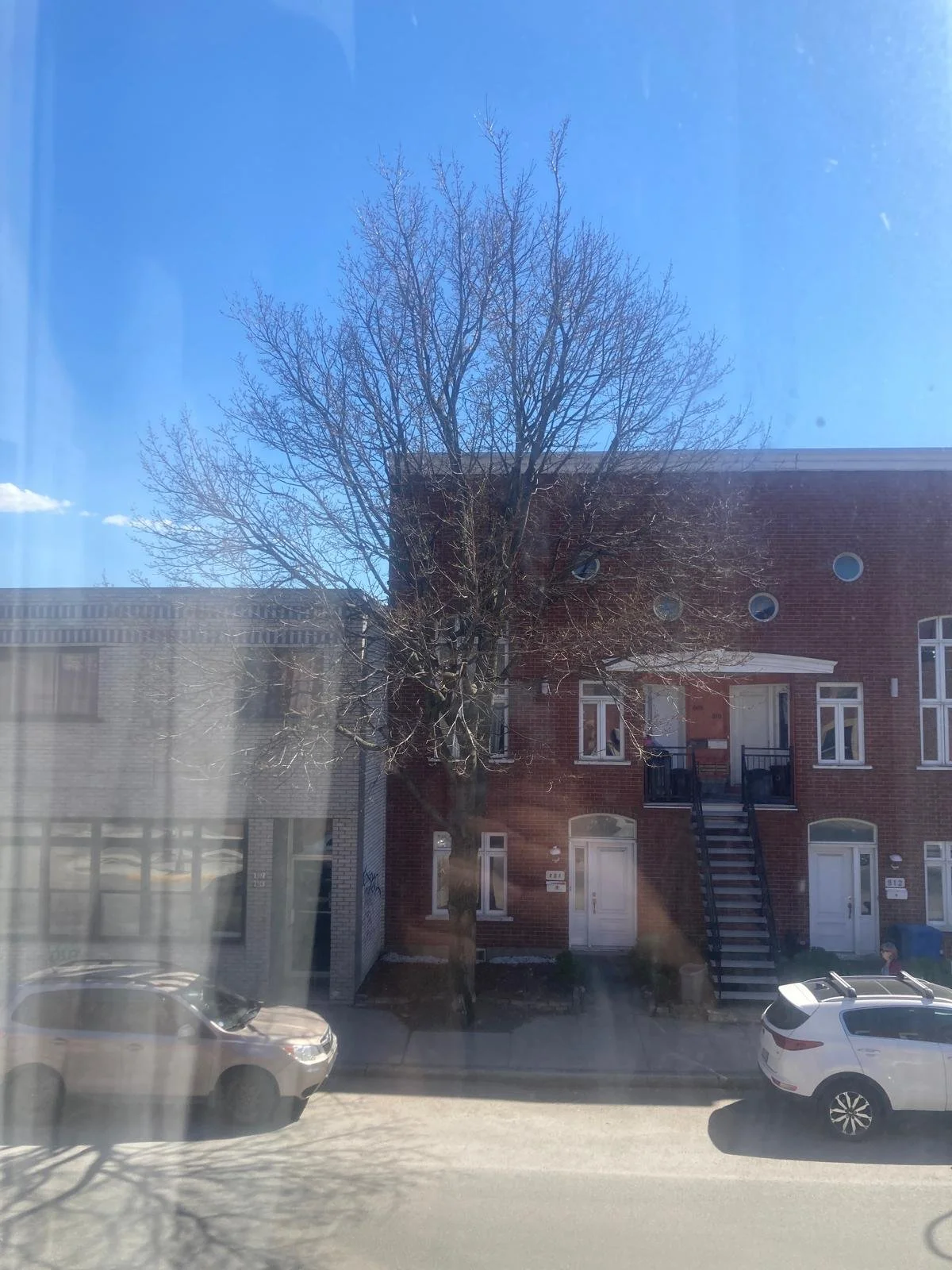
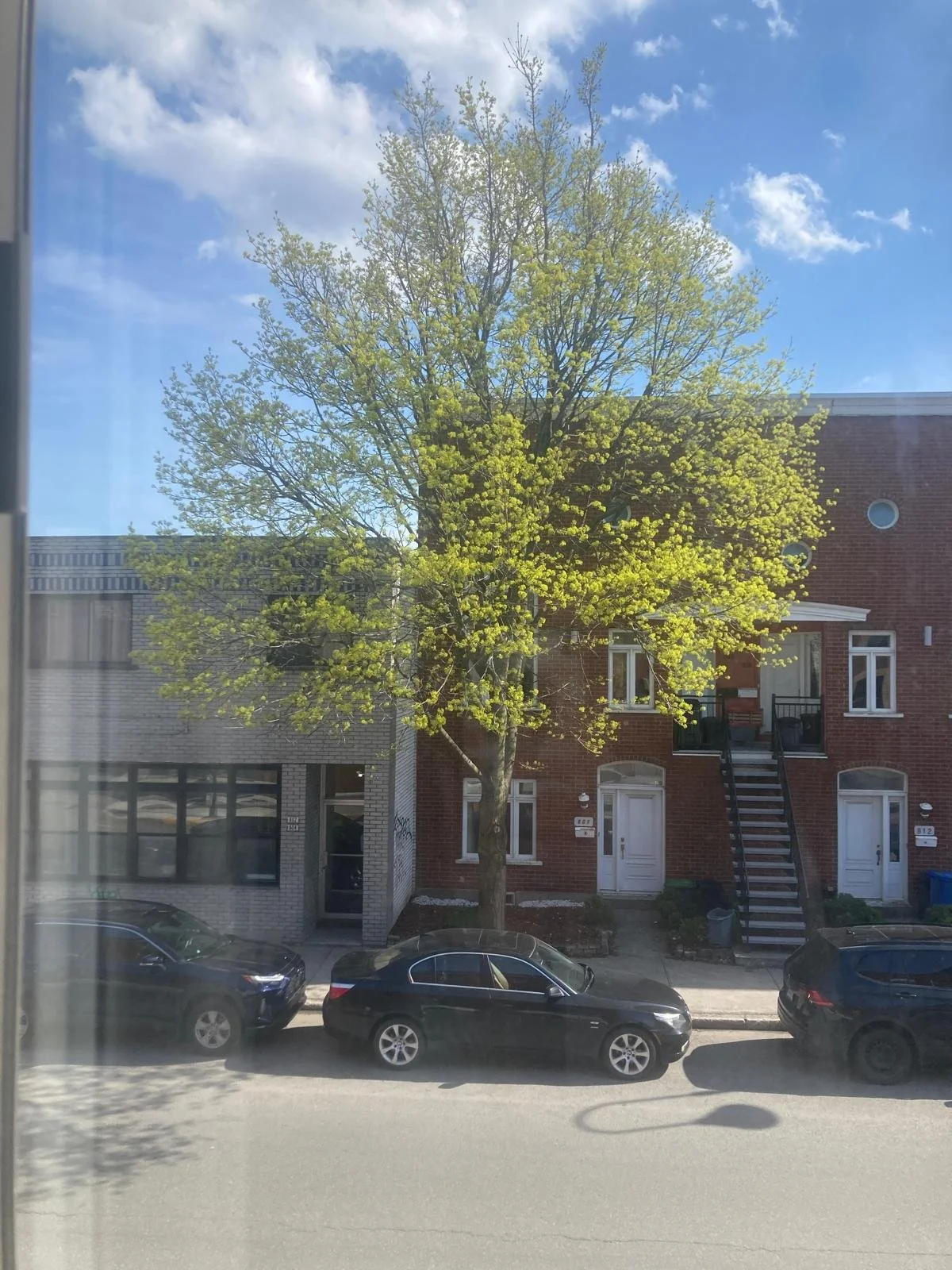
These are independent but inter- or rather intra-related works. They are intended to be performed; for now, they can be partially experienced through listening.
Click on each image to learn more.
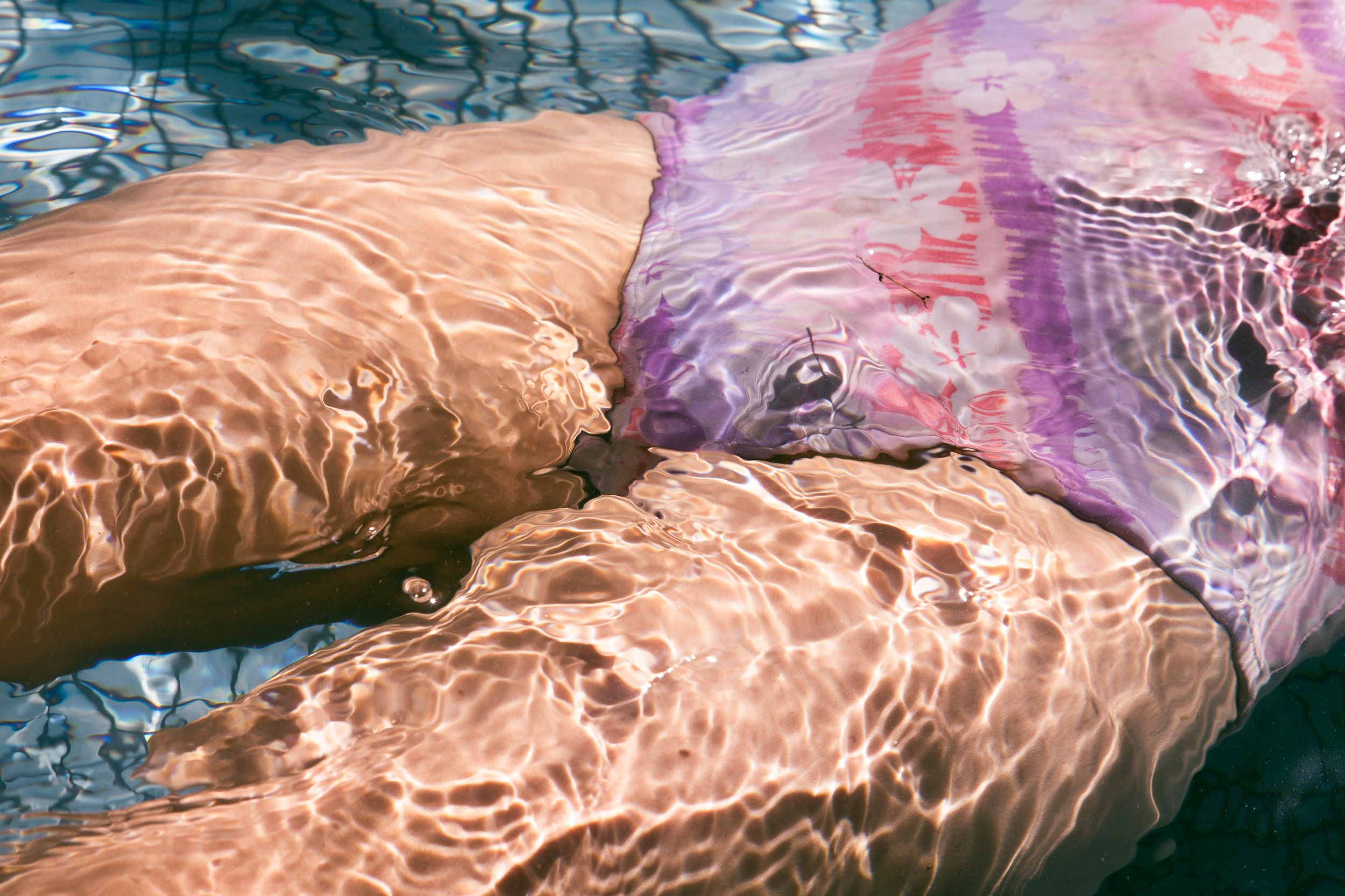
MOTHER(S)
My first place
(…) Floating there, I thought: What better example of drawing and erasing the contours of oneself than motherhood? To differ and belong, to be united and then separate, to be one and then two.
And I begin to wonder if I don’t want to be a mother not only because I don’t feel the desire, or because of my career, or because of the state of the world— that being the pain in Palestine, that being the pain of Sudan, that being the pain of the Darién, that being the pain of Ecuador, my homeland, now the fourth most violent country in the world. That being the glaciers melting in the Andes, that being the ice vanishing in Greenland and the Arctic, that being the Amazon burning, that being the coral reefs bleaching, that being the mangroves disappearing, that being the Pantanal on fire, that being the deserts spreading, that being the rivers dying, that being the wetlands drained, that being the oceans poisoned.
But, maybe and I say maybe the first reason I don't want to be a mother is fear. The fear that If I was to become a mother I would die , a version of me would die. I would have to redraw my contours, A version of me, a part of me, me, would live outside me.
A few minutes later, my mother looked at me and said, “I was watching you floating there, and I thought: that little one was once inside me.”
I was inside her.
Floating.
She too: a body of water.
My mother—my first place.
I love to float on water (…)
Someone once told me: all water is just one water
(…) One night around a fire, on our second visit to Standing Rock already deep in the winter at the end of November. Joebat Reshaw, an elder, began sharing the meanings embedded in the Lakota language. He said:
“ As the word for dirt, I always tell people what the word, word for dirt is in Lakota is maka. ‘Ma’ carries a sense of ‘being ‘you,’ and ‘ka’ suggests ‘that which was.’ This dirt—we all return to it. It didn’t just appear. It comes from millions and millions of years of beings dying—dinosaurs, animals, us. You might be sitting on one of your ancestors. One thousand, two thousand generations ago—you don’t know. That is why you must walk reverently on the earth. That is why it is sacred.”
So I reflect, everything I am comes from the land.
Everything I am will return to the land.
Am I on the land or part of it? (…)
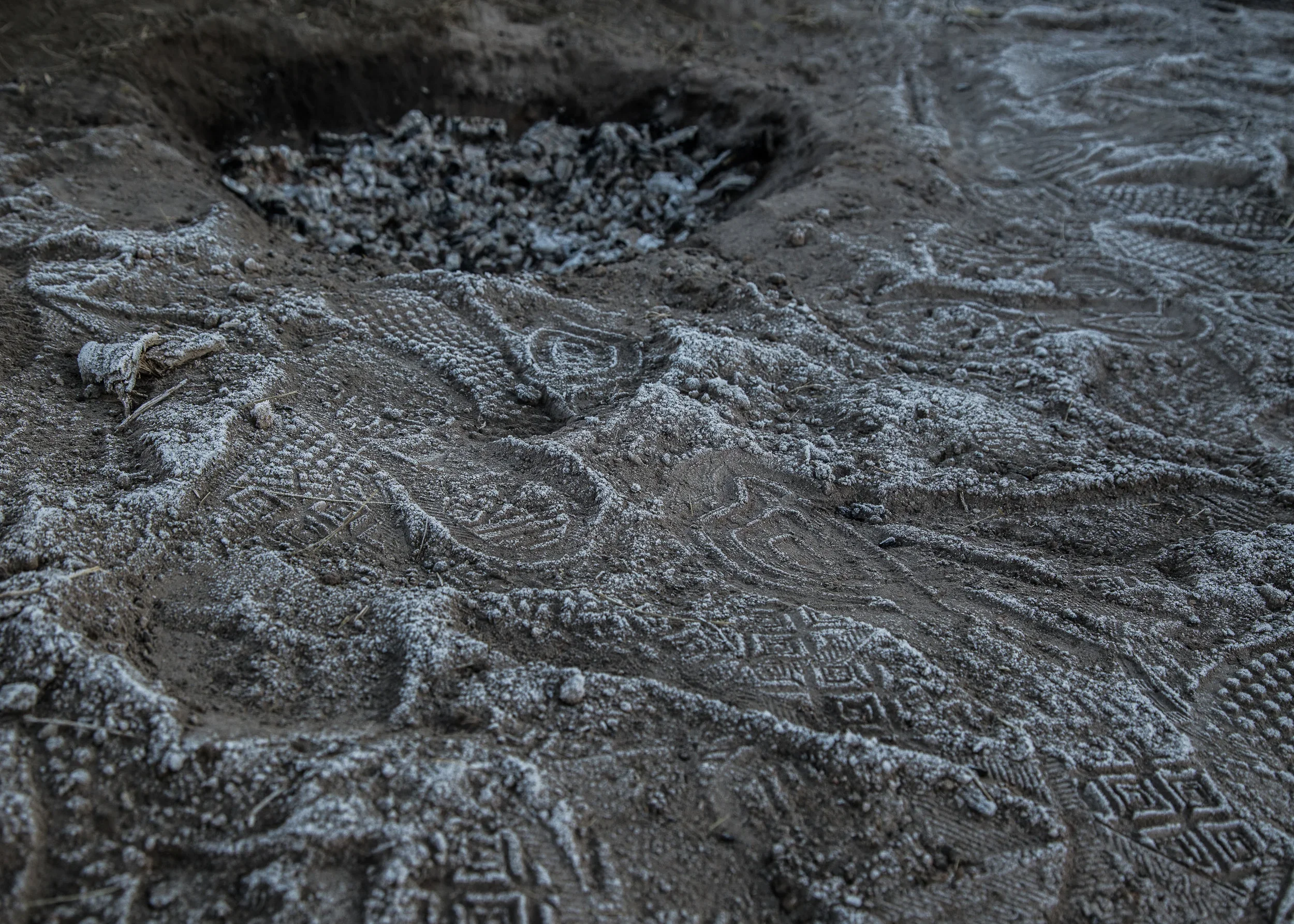
Ma-ka
The sense of being you- & that which was
Is this a matter of matter or a matter of time?
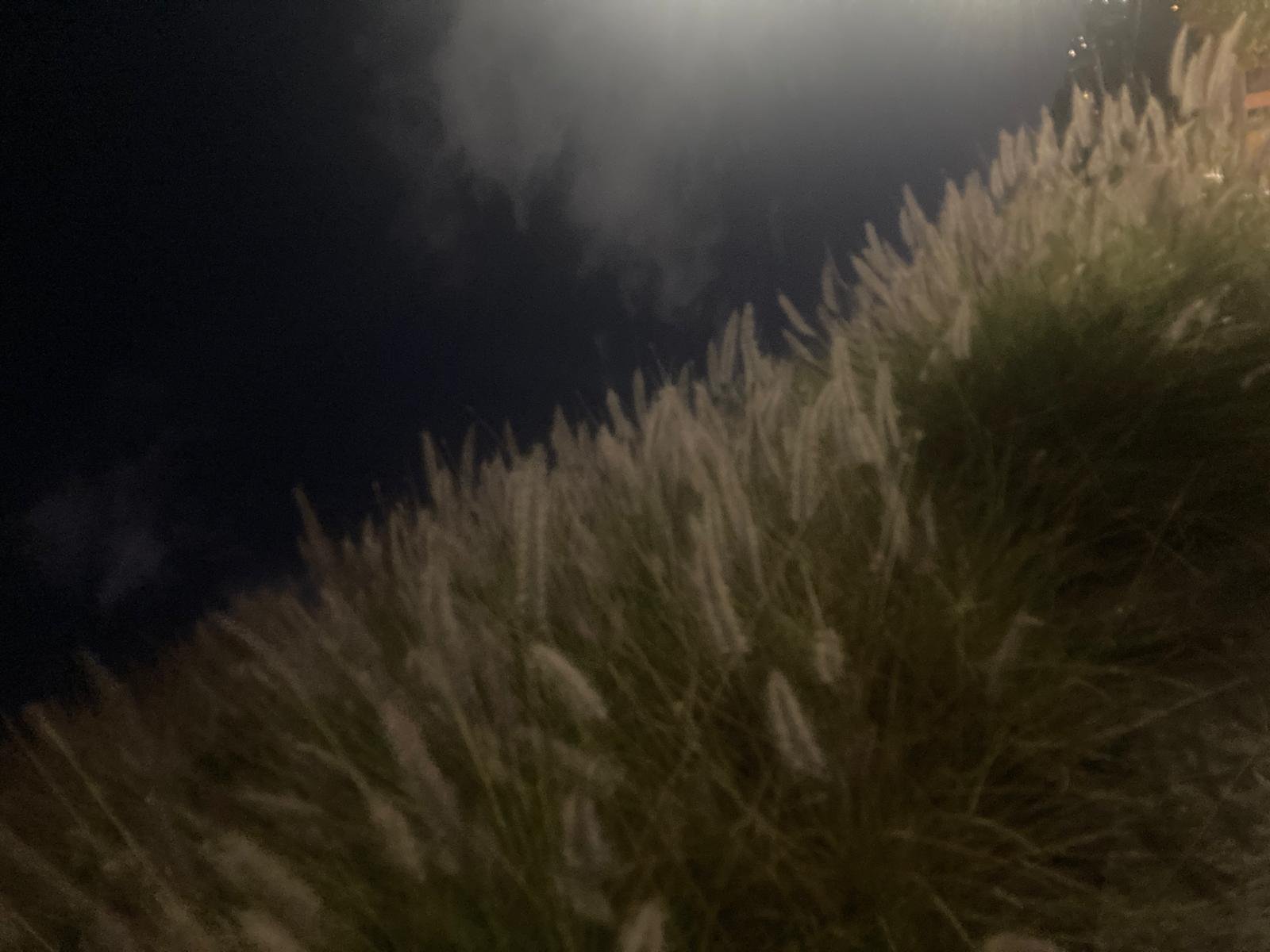
PAJONALES
Are the grasses on the mountain,
or are they part of it?
(…) The next morning, I woke early and went with David to the nearest waterfall. The water, flowing directly from the páramo, was freezing.
I got in. I was naked. I did not rush. I was cold. I thought of Canadian winters. I stood still. Then, I did want to rush. I trembled but I stayed.
And I felt the waterfall told me:
“Aja! Para que no me digan que no te mandé templadita.”
Basically, she was freezing me so she wouldn’t hear any complaints in the future, from up north, about me not being tough enough.
I stepped out, dried myself, got dressed, I met with David, I hugged David.
And in that hug, I felt we were like pajonales—like tall grasses moving with the wind.
Have you ever seen the high Andean grasslands move? It is as if the mountain breathes.
It did feel like we were the mountain—or , more precisely, the pajonales.
But then I had to ask myself, are the grasses on the mountain, or are they part of it? And if they are part of it, are they not also, in a way—not a mountain, but at least that specific mountain? (…)